Journey to the Watchtower Insanity Guide — Currency, Upgrades, Spirits & Sins
Insanity is the upgrade currency that turns failed desert runs into permanent momentum in Journey to the Watchtower. This guide covers what Insanity buys, where it comes from, how Orbs fit the economy, and what can honestly be said about the Spirits & Sins roll system.
Every run in Journey to the Watchtower ends the same way at first: the deadly light, the tower’s strikes, or the sandworm puts you down somewhere short of the Watchtower, and the run’s real output is the progression currency you carry home. That currency is Insanity. It funds the stamina, speed, and Insanity-gain upgrades described in the official experience listing, and it is the resource every active code injects straight into your save. This page maps the whole economy — what Insanity is, where it comes from, what it buys, and how the Spirits and Sins rolls layer on top — using only what the developer’s description and dated community coverage actually verify.
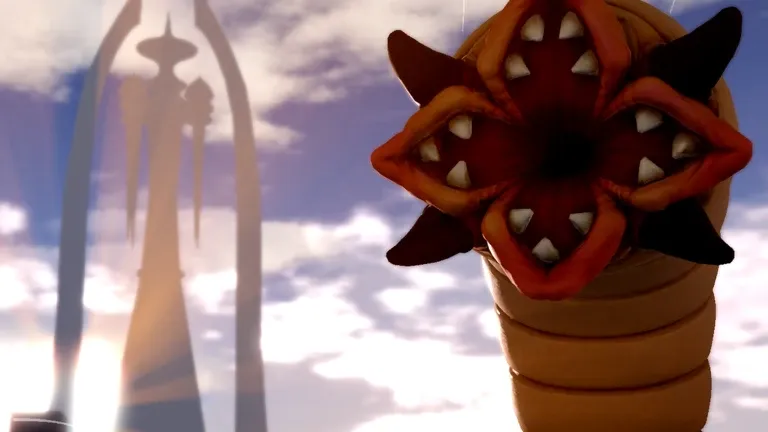
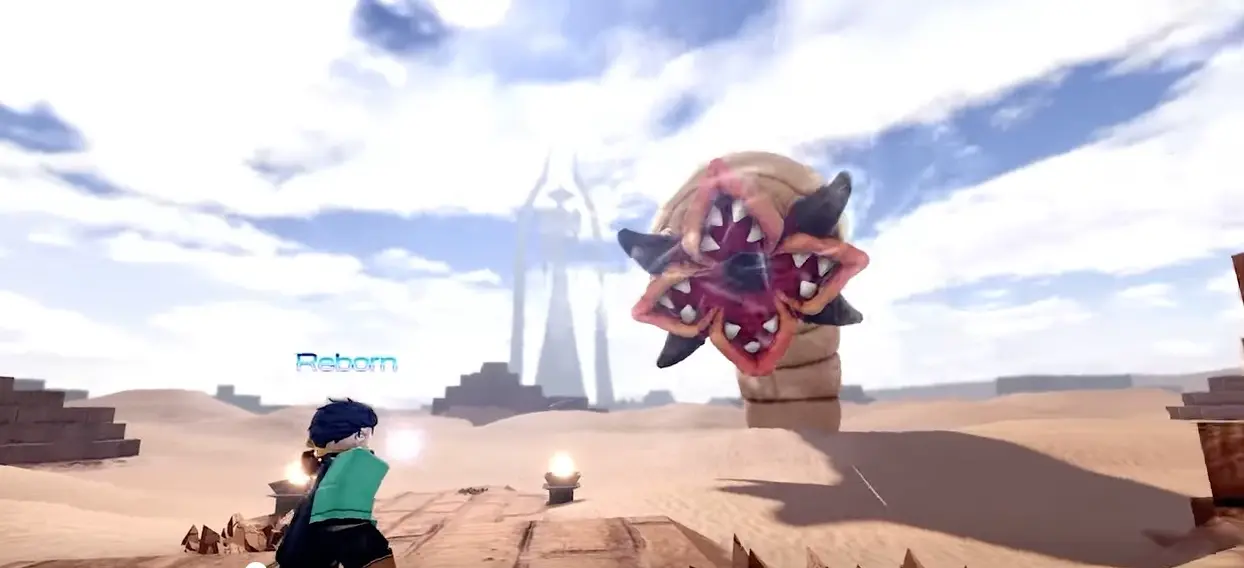
The sandworm is the run-ender most Insanity gets spent against — speed and stamina upgrades exist largely to survive it.
What Insanity is and what it buys
Insanity is the main upgrade currency in Journey to the Watchtower. The developer’s official description names exactly three upgrade lines: stamina, speed, and Insanity gain. Stamina determines how long you can keep crossing the desert before the run collapses. Speed determines whether you can outrun the sandworm and evade the Watchtower’s attacks — coverage of the game is blunt about the stakes: the whole experience asks how far across the desert you can get before the worm devours you. Insanity gain is the meta-stat: it raises how much Insanity every future run produces, which is why experienced players treat it as a compounding investment rather than a luxury.
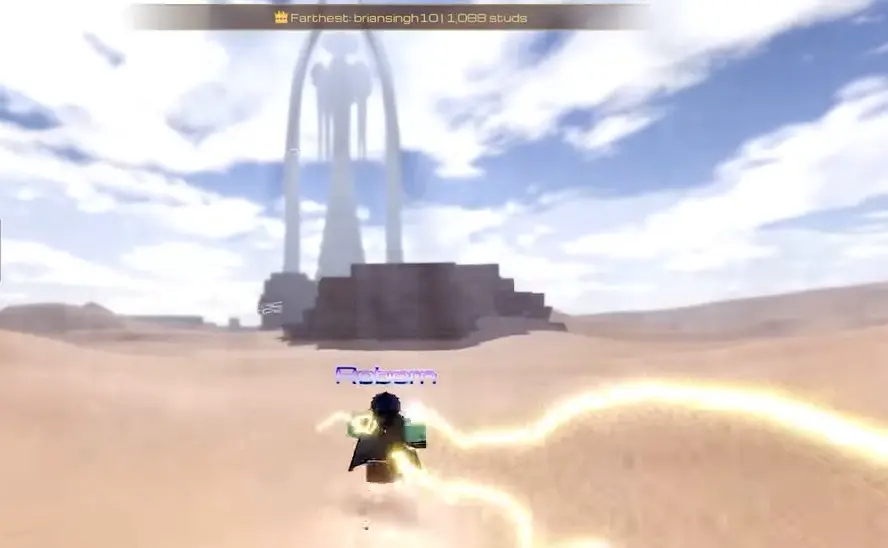
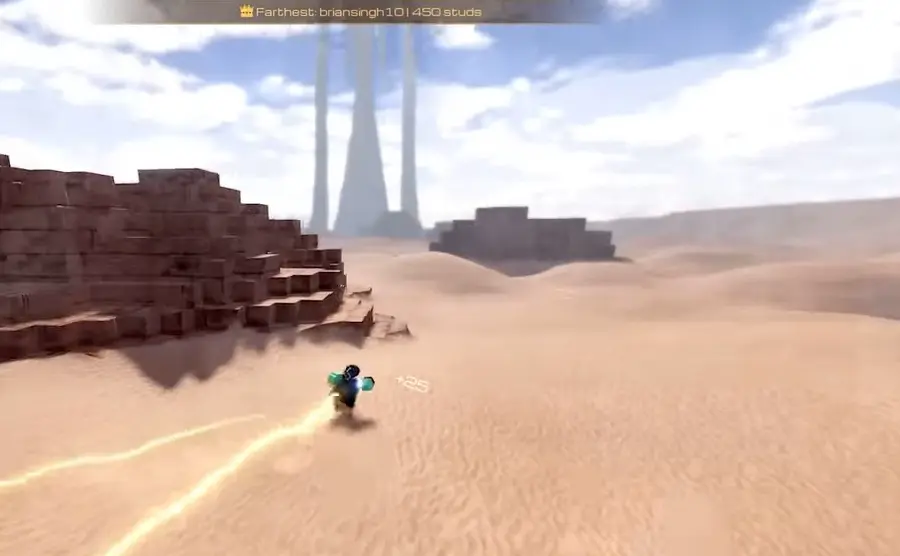
All three lines feed the same scoreboard. The server HUD tracks the Farthest run in studs, and every upgrade nudges that record higher. Early records sit in the hundreds of studs; stronger saves push past a thousand. The economy is therefore easy to reason about without exact price tables: buy the stat that is ending your runs — stamina if you fade out, speed if the worm catches you — and keep a share flowing into Insanity gain so each reset of the desert pays better than the last.
Insanity also connects to rebirth, which the official listing describes as a way to become permanently stronger. The sources used here do not establish whether unspent Insanity or purchased upgrades carry over. Check the current in-game rebirth requirements before deciding to spend or reset; the rebirth guide separates the confirmed information from these unanswered questions.
Where Insanity comes from
There are two documented sources: playing and codes. Playing is the steady income — runs generate Insanity, death makes the next attempt easier, and the Insanity-gain upgrade raises the payout of everything that follows. Codes are the windfall: the ten currently active codes (UPDATE5, MOUNTS, SKYBEAST, UPDATE4, HARDMODE, WORMNERF, UPDATE3, LIKES1K, UPDATE2, and INFINITESNIPE) grant between 5,000 and 10,000 Insanity each plus Essence, a combined 77,105 Insanity for a few minutes of typing in the Store menu’s Codes tab.
The retired code archive reports several reward packages: 15,000 Insanity plus 10 Rebirths for SORRYFORTHEWAIT; 10,000 Insanity with Rebirths and Orbs for UPDATE3 in its earlier expired-era record, now superseded because the September 8, 2026 checks relist UPDATE3 as working with 10,000 Insanity and 5 Essence; and 12,000 Insanity, 1 Rebirth, and 30 Orbs each for SPIRITS, ANTICHEAT, and INFINITYTOWER. The checked lists marked those strings expired in September 2026. Their names do not establish which events they accompanied or predict the next reward. Check developer announcements and the dated code list for new information.
For the current list with copy buttons and the full expired archive, see the Journey to the Watchtower codes page, last verified .
How to get Insanity fast
The fastest Insanity in Journey to the Watchtower is the one you do not have to run for. In order of effort-to-payout:
- Redeem every active code before your first long run. The ten working entries grant 5,000 to 10,000 Insanity each — 77,105 total plus Essence for a few minutes in the Codes tab. The codes page has copy buttons and the verification date for each entry.
- Take the Insanity-gain upgrade early. It raises the payout of every later run, so it compounds while the flat stamina and speed buys only help one attempt at a time.
- Extend each run before restarting it. Distance drives the payout, so the stamina that carries you past the worm’s territory pays more than a quick death and instant retry.
- Rebirth once your Farthest record stalls. Permanent strength makes every subsequent attempt produce more — see the rebirth guide for what is confirmed about resets before you commit.
There is no documented AFK or idle method, and no code grants Insanity passively — the economy rewards distance, codes, and the compounding gain stat. Anything promising unlimited Insanity outside those three channels is a scam or a recycled expired code.
Orbs and Essence — the documented side currencies
Orbs are the second currency visible in the public record. They never appear in the official description’s text, but they show up repeatedly in the documented code rewards: SPIRITS, ANTICHEAT, and INFINITYTOWER each paid 30 Orbs on top of 12,000 Insanity and a Rebirth, and UPDATE3 paid 15 Orbs. That is enough to establish Orbs as a real, developer-issued currency — and nothing more. What Orbs purchase in the current version of the game is not documented in any source checked for this guide.
The honest takeaway for players: do not spend real expectations on Orb planning yet. When a future code grants Orbs again, redeem it and check the in-game stores where Orb-priced items appear. Any guide that claims a specific Orb economy without in-game evidence is ahead of the verifiable record.
Essence is the newest entry in that record. It does not appear in the official description either, but every code the September 8–17, 2026 checks list as working pays it out: 2 Essence each from UPDATE5, MOUNTS, SKYBEAST, UPDATE4 and WORMNERF, 1 from HARDMODE and LIKES1K, 3 from UPDATE2 and INFINITESNIPE, and 5 from UPDATE3 — 23 Essence across the current set. That makes Essence the third currency to surface through codes in this game, after Insanity and Orbs. What it buys, how it is earned outside codes, and whether it survives a rebirth are all unconfirmed in the sources checked for this guide.
Spirits & Sins — what is verified and what is not
The official description lists the roll system as one of the game’s four pillars: "🌀 Roll powerful Spirits & Sins." That single sentence is the extent of what the developer has published in checked sources. No verified list of individual Spirits or Sins exists, no tier rankings have been confirmed, and no drop rates have been published. The roll system is also the most likely home of the Orbs and of luck-adjacent mechanics, but that connection is inference, not documentation.
This matters because roll systems attract fabricated tables. Sites that list specific Spirit names, percentage rates, or tier charts for this game are publishing data nobody can trace to the developer or to a reproducible in-game check. The safe approach: open the roll interface in-game, read the pool it actually offers, and treat this page as the record of what is publicly verifiable. If the developer later publishes rates or the community produces a reproducible breakdown, this section will be revised. Until then, any Journey to the Watchtower Insanity strategy should lean on the three verified upgrade lines and treat rolls as a bonus rather than a plan.
The official description confirms that players can roll powerful Spirits and Sins, while code trackers list a SPIRITS reward package. These records do not establish when the system launched, what the rolls cost, or which resources power it. Check current roll descriptions before using code rewards; the matching name alone is not evidence of a gameplay change.
Spending Insanity without wasting it
Use the upgrade menu and your recent runs to plan spending. The ten listed codes can grant 77,105 Insanity in total if they remain active and unused on your account. Compare the displayed cost and effect of stamina, speed, and Insanity-gain upgrades with the difficulty you are having. If progress stalls, inspect the rebirth option before deciding to reset; its cost and resource-retention rules are not documented in the checked sources. The confirmed details and remaining questions are collected in the rebirth guide.
Unspent Insanity does not improve your current stats, but whether it carries over through rebirth is unverified in the sources used here. Check the in-game reset rules before spending or confirming a rebirth, including which currencies and upgrades are kept or lost. For ordinary purchases, compare the displayed cost and effect with what ended your last run; saving for a more useful upgrade can be a reasonable choice.
New to the game entirely? The beginner guide sequences the tutorial, the codes, and the first upgrades step by step, and the first hour guide plans a realistic opening session around them. Between the codes, the upgrades, and the rolls, the Insanity economy is the engine of the whole journey — learn it once and the Watchtower stops being a mirage.
FAQ
What is Insanity in Journey to the Watchtower?
Insanity is the main upgrade currency. The official description tells you exactly what it is for: "Upgrade your stamina, speed, and Insanity gain." You earn it by running the desert and dying — every death makes the next journey easier — and you can jump-start the whole economy with codes: the ten active codes grant between 5,000 and 10,000 Insanity each, 77,105 in total.
What are Orbs used for?
Orbs appear in the documented code history as a secondary reward currency: SPIRITS, ANTICHEAT, and INFINITYTOWER each granted 30 Orbs, and UPDATE3 granted 15 Orbs in that expired-era record before it was re-listed as working on 2026-09-08 with a different reward. No code in the current working set pays Orbs. The official description does not detail what Orbs purchase today, so treat the in-game stores as the authority on their current use.
What is Essence used for in Journey to the Watchtower?
Essence is the newest reward currency in the checked record. Every code listed as working in the September 8–13, 2026 tracker checks pays it out: 1 Essence from HARDMODE and LIKES1K, 2 from WORMNERF, 3 from UPDATE2 and INFINITESNIPE, and 5 from UPDATE3. It does not appear in the official experience description either, and no source checked for this guide explains what it buys, so treat the in-game store screens as the only authority on its use.
What are Spirits and Sins?
Spirits and Sins are the game’s roll system — the official description says "Roll powerful Spirits & Sins." No verified list of individual Spirits or Sins, their tiers, or their drop rates exists in any source checked for this guide, so be skeptical of sites that publish detailed tables. Read the roll interface in-game for the current pool.
Which upgrade should I buy first?
Stamina and speed are the two the run depends on most: stamina keeps you crossing the desert, and speed decides whether you escape the worm and the tower’s strikes. The Insanity-gain upgrade is the compounding pick — it raises the payout of every later run — so most players alternate the survival stats with gain as their balance allows.
How do I get Insanity fast?
Claim every active code first — that is 77,105 Insanity before your first long run. Then extend each run as far as stamina and speed allow, because distance drives the payout, and take the Insanity-gain upgrade early so later runs refund more. Rebirthing also feeds the loop by making every subsequent attempt permanently stronger.
Why do I keep dying to the sandworm?
The worm is one of three run-enders, alongside the deadly light and the Watchtower’s attacks. Coverage of the game describes it bluntly: the question is how far you can get before the worm devours you. Early saves rarely have the speed to escape it consistently — that is the intended wall. Bank Insanity, upgrade speed, rebirth for permanent strength, and the worm’s territory becomes passable.
Sources and verification
These links show where this page's factual inputs came from. Community and independent references are not developer announcements.
- Roblox experience listing (Official) - Game identity, creator, player limit and public experience description
- Pro Game Guides codes list (Community) - Active and expired code lists refreshed October 4, 2026 and unchanged in the October 10 check; it lists only UPDATE5 and MOUNTS as active — the two strings it labels NEW — and files SKYBEAST, UPDATE4 and the six September 1 strings together in its inactive column, so it demotes the pair it used to keep
- PCLabs codes guide (Portuguese) (Community) - Independent cross-check of progression and code totals (September 2026)
- PCGamesN codes guide (Community) - Code status and reward cross-check; a new refresh dated 2026-10-07T13:18:14Z lists only UPDATE5 and MOUNTS as active, so the six working strings it carried on September 27, 2026 (SKYBEAST, UPDATE4, HARDMODE, UPDATE3, WORMNERF and LIKES1K) have moved down and its four-of-six position is gone. Unchanged in the October 10 check
Page inputs checked .
Recommended guides
Data source: Official Roblox experience description and Games API snapshot, cross-checked against community code trackers. Last verified .